Improve Your Trekking Experience in Nepal

Improve your trekking experience in Nepal with simple tips. After giving all positive information and vibes for travellers and trekkers in Nepal, here are minor things that can disappoint some trekker in Nepal. Again, these things trouble only small fraction of trekker in Nepal. But still disappointment is a disappointment. Only few trekkers complain and few organizers talk about these things. But we want you to be prepared mentally and remain calm in such situations. Moreover, if you are trekking first time in Nepal, this can really help to improve your trekking experience in Nepal.

Genuinely, most of the trek organizers keep strong grip on these minor problems. Assuming trekkers might face these problems at some point while trekking in Nepal. Some can be solved once they arise or improvise them, and some are out of our control and there is no solution other than showing patience and staying calm. For example, standing in long queue in Airport for visa processing in Immigration upon arrival is not the thing we can tackle. Missing luggage, we can solve most of the time. Idea of avoiding hawkers and vendors is definitely controllable if a client wants and understands. But again, these things are never complained about by trekker and travellers in Nepal. However, a piece of information is always valuable to tackle some unwanted situation. we want to point out some possible problems and how you can improve your trekking experience in Nepal for better.

1. Arrival in Airport

During peak season, the numerous International flights and arrival of trekker is actually chaos in Nepal airport. Long queue for visa can take couple of hours. We suggest you to apply for Nepalese visa in Nepal Embassy or Consulate of Nepal, if it is nearby your hometown. If not, maintain calmness while standing in long queue at the Nepal airport. Representative from your agency will be waiting you outside eagerly. No matter how much time you take during the process.

If you miss luggage, either fill a form and submit to respective airline as soon as possible or meet your trekking organizer representative in airport who can help you for further processing. Most of the time, airlines work efficiently to provide luggage next day depending upon the transit you took.

There are numerous hawkers and vendors outside Airport offering you cheap price for transportation, trekking and any other activity if you have not booked your travel or trekking with agency. Some are genuine and some are not, but cheap is definitely questionable.

2. Selection of Hotel

Most of the trekker likes to spend night in periphery of Thamel a tourist hub. But there are also few trekkers who choose hotel outskirt of Thamel area. Some trekker and travellers like to book on their own, while some seeks help of travel and trekking agency. Thamel is so congested, a room in a section of hotel building can be quiet and peaceful, and the room on other section of same building can be noisy. The most common problem trekker and traveller complain about is selection of hotel. There are some poor-quality hotels in Thamel. Avoid it. The good thing is, trekking agency and organizers do not offer such kind of hotels for clients in first hand. Moreover, they are so serious with your problems, they provide alternative solutions in every possible situation instantly. Improve your trekking experience in Nepal by giving attention while selecting suitable accommodation.

3.Delay or Cancel of Domestic Flights

The mountainous geography is curse for domestic flights in Nepal. The weather keeps on changing in mountain region. Flights to Pokhara, Biratnagar and other major cities of the country is really not a big issue. In contrast, a trekker needs to have great patience flying in and out from places like Lukla and Jomsom. Most of the time, flights are delayed and in worst condition, they get cancelled as well. If a trekker has really tight schedule, then the actual problem arises. In such scenario, trekking agency and organizer suggests optional trekking itinerary. So, a trekker needs to remain calm and discuss possible options in case domestic flights get cancelled time and again. Strong mental preparation for such situation can help to improve your trekking experience in Nepal. Ask and make right and prompt decision if domestic flights are cancelled.

4.Poor-quality Nepali trekking crews

Even after booking your trekking through agency of Nepal, if you were entitled poor-quality Nepalese trekking crews. It’s a fraud. However, good news is that most trekking agency do not take such a massive risk. Most of the time they are good. The new generation trekking guide speaks good English and has better knowledge with outside world. In same way, aged trekking guides are highly experienced, but might not be as fluent as new generation trekking guides in terms of communication.  Most of the trekking agency arranges a meeting between you and trekking guide before start of trekking. Rarely the personal nature of guide (alcoholic? too much talkative? Overconfident?) can disappoint some trekker, but still most trekker does not like to complain about it. Strongly ask for good trekking guides and porters according to your need, to improve your trekking experience in Nepal.

5.Poor weather during trekking. Especially in crucial moment.

There is no biggest disappointment when weather dramatically changes in mountain. Especially in crucial moments, when you are about to climb Kalapatthar, Gokyo ri or reached Annapurna base camp. Some takes easily as fate of luck or natural phenomenon but every trekker might not feel such a way. But the bitter truth is you must cope with all those emotions there is nothing one can do. Again, if a trekker has no tight schedule, he/she can request to spend another extra day in hope weather gets better to enjoy the landscape. Most of the trekking guides and trekking organizer honestly wants you to enjoy such moments vividly and again will try to suggest possible options in such situation if there is any. Adding a reserve day in trekking itinerary can highly improve the experience of trekking in Nepal. Especially trekking around Base camps and high passes. Congested trekking itinerary is not great idea.

6. Highly crowded Base camp and Circuit treks

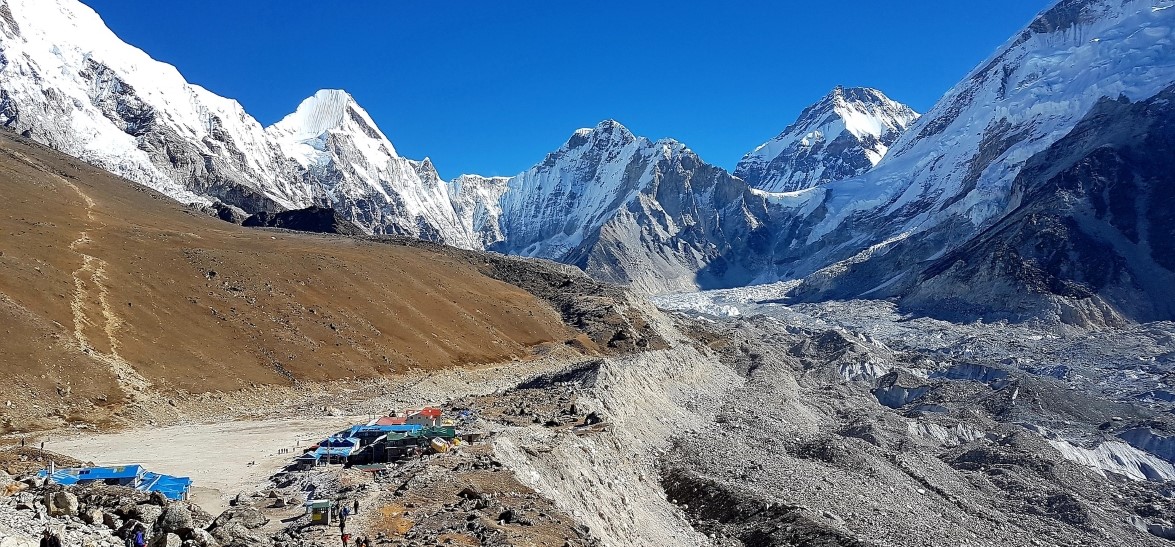
During peak seasons of trekking in Nepal, base camp treks and circuit treks are highly busy and crowded. Especially, around Everest and Annapurna trekking region. The backpackers and individual trekker suffer more comparing to organized treks. Most of the time in upper trekking region first come first service principle works. Trekking guides of Nepal, most of the time use their personal contact to book room in advance. More importantly in upper trekking region like Gokyo, Gorakshep, Annapurna Base camp where there are few numbers of tea-houses. Ask other less crowded trekking itineraries with your organizer, if you hate a busy route/trekking region. This can massively improve your trekking experience in Nepal. Trekking to Gokyo from Renjo-La pass instead of taking a direct route through Machhermo can be a good choice.

These are minor disappointment trekkers might face while trekking in Nepal. Obviously, negligible comparing the other numbers of beautiful aspects and experiences you achieve in Nepal. However, this is just a precautionary article about the situation that may arise during stay in Nepal. We hope, it makes easier to cope with such situations if trekkers and travellers stay informed beforehand. A small attention or small distraction can change whole experience of trekking in Nepal. Making either good or bad.
Best Circuit Treks in Nepal

Here, we provide the list of best Circuit treks in Nepal. Especially, the popular and trending ones. Usually, circuit treks in Nepal encircle the major mountains above 8000m through high pass in the deep Himalayas. Most of the trekking region in Nepal has at least one circuit trek. These trekking generally receives more trekker compare to other trekking. As well, most of them are already in the top priority of trekker as a next trek in Nepal.

List of Best circuit treks in Nepal is compiled taking numerous factors in account. Number of visitors and trekkers, geographical features, cultural diversity, flexibility of itinerary, price and the situation of infrastructures in the region. Generally, circuit treks are lengthy in nature and there is room to adjust number of trekking days in itinerary. Plus, these trekking covers massive area of protected area in a single itinerary. This gives an excellent opportunity to explore different geographical and cultural diversity of the region. Importantly, the overflow of trekker in the region has subsequently improvised the infrastructures like better tea houses, communications, transportation feasibility. A lengthy trekking itinerary can make per day price of trekking marginally cheap compare to short treks.

Annapurna Round, Manaslu Round, Langtang with Gosaikunda lake, Everest three pass and Kanchenjunga are the best circuit treks in Nepal. However, there are numerous other mini and short circuit treks in between these lengthy circuit treks. Even trekker can customize according to need and number of days.

Annapurna Round trekking

This trekking itinerary tops the list of best circuit treks in Nepal. One of the most popular and iconic trekking itineraries. The Annapurna round trekking is foundation for trekking tourism in Nepal. The trekking itinerary covers huge area of Annapurna. Sub-alpine and alpine villages like Pisang, Manang are utterly beautiful. Trekking in two different valleys of Marshyangdi and Kaligandaki crossing a Thorong-La pass is the best way trekker can experience the real Himalayas of Nepal.

Furthermore, the construction of road has made the itinerary short. As collateral, trekker can increase the number of trekking days as a side trip to other remote and isolated region of Annapurna. Tilicho lake, Nar Phu valley, even to Upper Mustang can be some real examples.

Round Manaslu trekking

Round Manaslu can be a great substitute to Annapurna round for the trekker who thinks road construction has killed the beauty of Annapurna. The Manaslu trekking region came in notice of trekker only from a decade back. The trekking used to be expensive then, because of camping trek. However, the increment of luxury tea-houses in the region is rock-hard proof that the influx of trekker in the region is rapid. Still, not as much as commercialized like Annapurna and Everest trekker can see, explore and experience how better it is to trek around the region that has less contact with outside world.

It is a popular trend to combine Tsum valley trekking with Round Manaslu trekking to see unique practices of Buddhism in the region. Moreover, Tsum valley has highly marginalized, sophisticated and distinctive community of Tsum people. Unlikely, yet trekker can continue to any section of Annapurna trekking region after completion of the Round Manaslu trekking.

Everest three pass trekking

Everest three pass trekking may sound unfamiliar as circuit trek. But in fact, the three passes in the Everest trekking region makes a round trekking itinerary. More importantly, combining Gokyo valley and Everest Base camp. Slightly difficult for general inexperienced and amateur trekker, yet the beautiful landscape of the region and Mount Everest brings this trekking itinerary at spot 3 on list of best circuit treks in Nepal. The single trekking itinerary covers the maximum landscape of Everest trekking region. It is highly recommended to trek this itinerary after few trekking experiences in Nepal for extra thrill and adventure.

Combining Island peak excursion adding 2-3 extra days in regular itinerary of Everest three pass trekking is very popular among the trekker. Doubtless, this circuit trek gives an excellent opportunity to explore some of the isolated region of Everest. Especially around Bhot valley, Renjo-La, Cho-La, Kongma-La pass where there are few number of trekkers in given time.

Langtang Gosaikunda trekking

The Langtang Gosaikunda trekking is highly under-rated trekking of Nepal. The region has no 8000m mountain, yet the trekker never complaints about it, once it is completed. This is the easiest and highly recommended trekking as a baby step to explore other remote trekking regions of Nepal in future. Near from Kathmandu valley, interesting geographic location, numerous exit and entry points to and from the Langtang trekking region make this trekking attractive. Especially for amateur and beginner trekkers in Nepal.

Combining with either Langtang valley or Tamang Heritage trail with Gosaikunda lake that finally descends to Helambu valley is one of the most popular trekking itineraries. Needless to say, Tamang people and culture is another major highlight of the trekking. Numerous small and big lakes in high altitude along with comparatively easy pass at Gosaikunda is something always trekker cherish about.

Kanchenjunga Base Camp trekking

The Sele-La pass that joins North Kanchenjunga and South Kanchenjunga base camps together make a circuit itinerary. Situated in far east of Nepal, this is one of the most isolated and remote circuit treks. The trekking region receives few numbers of trekker comparing other circuit treks of Nepal. Doubtless, the trekking is one of the most appreciated trekking itineraries in terms of geographical beauty and cultural diversity. Importantly, this trekking can be the best choice for trekker who wants to unfollow regular popular trekking itinerary and seek some adventure in Himalayas.

However, the lengthy and expensive transportation is the major drawback of Kanchenjunga region. So the region holds the last spot on the list of best circuit treks in Nepal. Plus, the lack of luxurious tea-houses can be concerning for some trekkers. But mark our words, a quiet trail, beautiful landscape, certain degree of adventure, genuinely overcomes these concern and doubt of trekkers. After all, doing the things what others usually don’t attempt is an adventure.

Why Next vacation should be Trekking in Nepal

Why next vacation should be trekking in Nepal ? There are numerous reasons. Are you bored of travelling luxurious and comfortable beaches every summer?  Jaded of tropical climate? Want some adventures, challenges and thrills of trekking in High Himalayas? Curious for next new destination to travel, full of surprises? Then definitely next vacation should be trekking in Nepal. Moreover, if you enjoyed trekking in rocky canyons of America? Alps of Europe? Andes of South America? Then, it is time to explore famous Himalaya ranges of South Asia, Nepal. For sure we can assure, trekking in Nepal is entirely different situation and scenario what you experienced before.

8 of the highest mountains out of 10 are in Nepal. Most of them are easily reachable through trekking. Numerous trekking itineraries options for trekker, is another reason trekking in Nepal is well-appreciated. Diversified culture and religion can give a traveller and trekker entirely new insights. Stable government, improvised security for trekker and traveller has highly contributed for increasing number of trekker and traveller in Nepal, in recent years. Even though, a developing nation, every trekker finds interesting how better the infrastructures are in such a high altitude. Easy visa processing, especially for European, American and well-developed Asian countries makes the situation better and easy to travel and trek to Nepal. Let us explain point by point why next vacation should be trekking in Nepal.

Nepal has reason to boast, 8 highest mountains out of 10

Thanks to geographic location of Nepal. Unlike other mountain ranges of world, Nepal’s Himalaya ranges is home to 8 highest mountains of the earth. Out of 10. Mount Everest (8848m), Kanchenjunga (8586m), Lhotse (8516m), Makalu (8485m), Cho-Oyu (8188m), Dhaulagiri I (8167m), Manaslu (8163m), Annapurna I (8091m). Lots of named and unnamed peaks and mountains with various heights and altitudes. The best thing is most of them are reachable through trekking. Beside trekking, lots of climber and expedition group visits Nepal every year to conquer these mountains. Lots of Mountains and peaks for such a small country with area of 147,181 Sq.km. Trekking to base camps, high passes to capture close-up view of these mountains is definitely a high-grade adventure one can expect in lifetime. One of other many reason why next vacation should be trekking in Nepal.

Lots of trekking itineraries options with geographic diversity

Unbelievable yet true, name the type of itinerary you want short or long, easy or challenging, near or remote. This variety of trekking itinerary in a single country is very rear. Every trekker who has visited Nepal at least once agrees for sure, Nepal can provide different types of itinerary, a trekker wants. Moreover, a trekker gains steady altitude while trekking in Nepal. Every trekking itineraries are well balanced for experienced and amateur trekkers. Which is the most important characteristic of true trekking, and without doubt Nepal delivers it. 3 days short trekking to a month-long trekking is something that is outstanding about Nepal. For example, trekker needs to trek numbers of days in between tropical, temperate, sub-alpine and alpine region to reach base camps or high passes of Himalayas.Obviously, this explains why next vacation should be trekking in Nepal.

Diversity in ethnic groups, culture and religion

Cultural harmony, religious tolerance, numerous ethnic groups is another reason why next vacation should be trekking in Nepal. With score 0.677 Nepal stands 43rd in world ethnically diversified country with 127 ethnic groups including undefined groups and foreigners. Amazing statistics for such a small country. Each ethnic community has own cultures and traditions. The culture and tradition of people in southern lowland known as Terai, is highly interrelated with India. The mid region popular as hilly region has the most diversified cultural community. People of Himalayan region shares culture and tradition with Tibetan people. 80.62% follows Hinduism, 10.74 % follows Buddhism, 4.20% are Muslim 3.60% are Kirat, and 0.45% are Christian.

Nepal is the most tolerable country in the world in terms of respecting culture ethnicity and religion of people. There has not been any riot till date, in name of culture, race, religion and tradition. People respect each other and lives in great harmony. It is not surprising and unusual to see Buddhist sculptures in Hindu Temples and Hindu sculptures in Buddhist Monastery. So technically, trekker exclusively gets opportunity to see Buddhist culture and tradition in northern part of the country. Moreover, every Nepalese people are warm and embraces foreigner with positive attitudes. Easy social norms and values helps foreigner to adjust in no time.

Unbelievable Luxury in Trekking

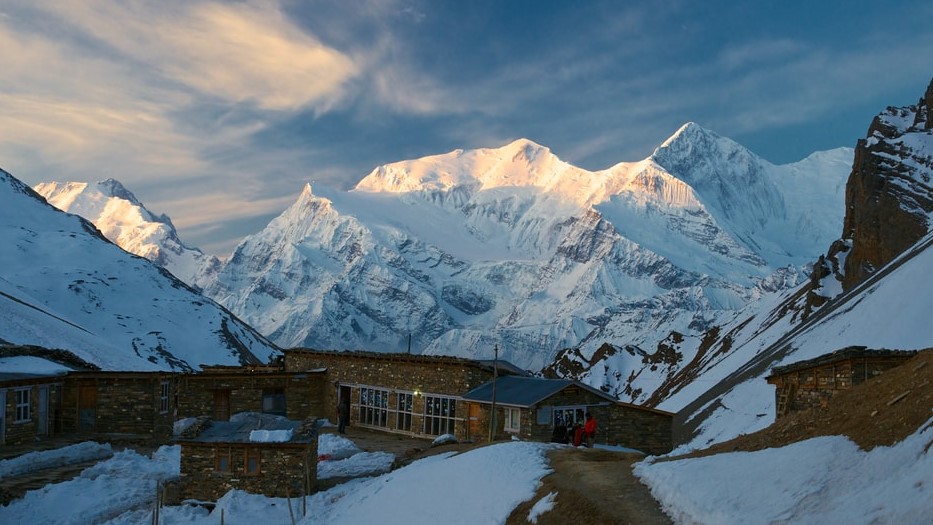
The luxury trekker gets in trekking is unbelievable. Properly built tea houses, hot water, battery charging facilities, communication facility, transportation options, clean beds and fresh foods are some example. These facilities above 4000m are serious things to consider. Local entrepreneur highly maintains these facilities during trekking season of Nepal. However, influx of trekker and these facilities are directly proportional. The trekking region where the number of trekkers is high has the best luxury and infrastructures and the region where there is less flow of trekkers, are average. For example, Everest, Annapurna and Langtang trekking regions have numerous trekkers and the tea house owner has upgraded the service accordingly. Few trekker visit Kanchenjunga, and the facility and luxury at Kanchenjunga is not as equal as Everest. Another great reason why next vacation should be trekking in Nepal.

Stable political situation and no security threats for trekkers

Nepal tourism industry wrecked down during the civil war in between 1996-2006. Security threats, demand of donation from trekker, strikes hampered the tourism industry of Nepal a lot in those years. Now the situation is different. After 2006, the number of traveller and trekker is increasing with great pace. The increasing number of trekker proves the facts.  After new constitution, Nepal is enjoying stable government. No strikes. No security threats to trekker and travellers. A lot of new transformations in such a short span of time. Even backpackers and individual trekkers are having great time in Nepal. The important part is no western country has issued travel restriction and guidelines to visit Nepal. A safe country to enjoy trekking.

Nice weather and temperature

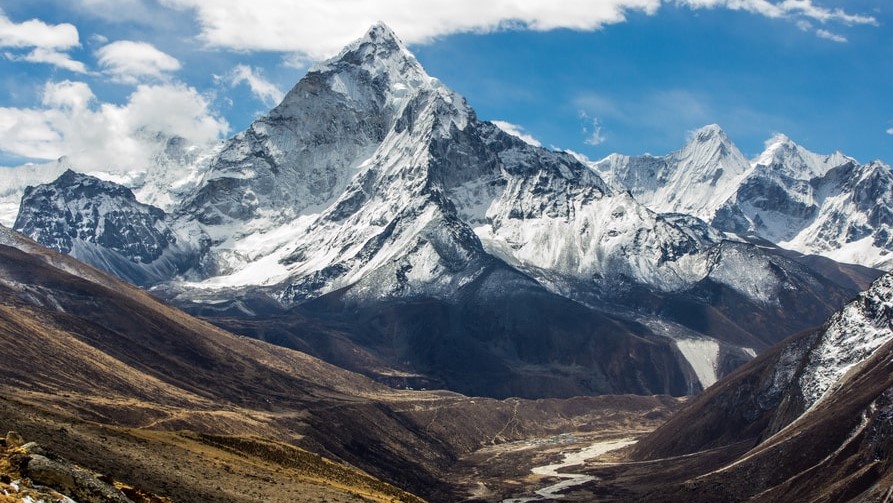
For sure, topographical and geographical diversity plays vital role in weather and temperature in Himalaya. Base camps are not as vulnerable and cold people might think. Weather during March-May and September-November is pretty calm to enjoy deep Himalayas of Nepal. Numerous high ridges like Kalapatthar, Gokyo ri , Poonhill, high passes like Thorong-la pass, Cho-La pass, Larkey-La pass are perfect spots to summarise the Himalayas from single point. A blue sky with calm weather, nice temperature and a trekker surrounded by peaks and mountains from every possible angle is something hard to explain with words.

Other reasons why next vacation should be in Nepal

Easy visa processing on arrival for numerous countries makes travel efficient in Nepal. Upcoming event visit Nepal 2020 can be a good opportunity and reason to travel Nepal. Mountaineering and peak climbing a can be another reason. Beside trekking, other activity like jungle safari, volunteering, rafting and kayaking are some reasons why next vacation should be in Nepal. Anthropologists, geologists, climatologists and other researchers often visit Nepal to understand the culture, geology and climate changes in Himalayas. A 45 min mountain flight summarises the Himalaya ranges of Nepal. Nepal tour, in luxurious city and town including Kathmandu,Pokhara, Lumbini,Chitwan is a great way to explore Nepal within short span. Literally, these mentioned points is a fraction of many other reasons why next vacation should be trekking in Nepal.

Upper Mustang and Lo-Manthang trek

Upper Mustang and Lo-Manthang trek challenges well-established norms of trekking in Nepal. It is not true that Nepal is only a mountainous country and trekking is popular only on high Himalayan ranges. This Trans-Himalayan region of Nepal is equally popular and busy as much base camps and round (circuits) trekking of Nepal. The unique geographical location, climatic zone, interesting civilization along with culture and tradition, historical facts on Buddhism are some highlights of Upper Mustang and Lo-Manthang trek. Moreover, ongoing scientific researches and new findings, especially around the capital of Lo-Manthang keeps this trekking region always in news headlines.

After introduction of Upper Mustang and Lo-Manthang to modern world, specifically from 1992, things have changed massively. Especially on traditional occupation, language, and ancient rituals and practices. Previously confined to Upper Mustang, now people have migrated to Lower Mustang region, including all around Nepal and even few to western countries with various purposes. The controversial road construction has well-connected the upper Mustang and Lo-Manthang trek with outside world. More interestingly, the number of internal tourists is spiking in the Upper Mustang. Without doubt, the forbidden, remote and isolated place still remains the center of attraction for trekker and scholars. Numerous old and ancient monasteries, chortens, paintings with architectural, historical and cultural importance is another good reason to trek to Upper Mustang.

Geography and climate of Upper Mustang and Lo-Manthang

Geographically, Upper Mustang trekking region is situated beyond high Himalayan ranges of Mount Annapurna and Mount Dhaulagiri of Nepal. A perfect Trans-Himalayan climatic zone, giving a nickname Tibet of Nepal. Interestingly, minimal or no rain in upper Mustang trekking due to Trans-Himalayan landscape means, only few seasonal vegetation and greenery is seen. Plus, so is the reason, most of the landscape is rocky and barren. High and fast wind is highly responsible of erosion of the land in the region. Numerous rocky and sandy dunes make small gullies and ridges. Lo-Manthang joins to the nearby Tibet. Thus, civilization, culture, tradition, trade, politics and religion is highly interlinked and influenced with nearby Tibet.

Historical significances of Upper Mustang and Lo-Manthang in terms of Trade and Politics

The region was highly significant throughout history especially for trade and regional politics. In between 15th and 17th century, Upper Mustang was an independent kingdom and Lo-Manthang was capital. It remained as buffer zone for trade in between Tibet and Nepal stretching as far as India. After Nepal annexed in late 17th century, the region came under the regime of Nepal. It was in between 1950 and 1970 the region once again came to spotlight, branding one of the most sensitive political zone forever. It is also important in history of Nepal, there were two kingdoms and two kings until Nepal became officially Republic on 7th October 2008 ending Monarchy in both Kingdom of Nepal and Upper Mustang.

People, Culture, Language and Religion in Upper Mustang and Lo-Manthang

Lhowa/Lobas/Lowas are the legitimate ethnic community of Upper Mustang. They were Subdivided on into three categories Kutak (Bistas), Showa (Gurung) and Righin. The mother-tongue of Lowa people is Loke, making Nepali language second mode of communication. Budhhism, Shamanism, Animism is the main religion of Mustang people. However, numerous anthropologists are still studying these distinctive (unique) practices carried out in Upper Mustang, especially in an ancient era. Tiji, Fakngi, Yartong are some festivals celebrated around Upper Mustang. Massive flow of trekker during Tiji festival proves the importance of culture and tradition of Upper Mustang people.

Recent Trek Scenario of Upper Mustang and Lo-Manthang trek.

Here, we provide all the information on trekking itinerary, necessary permit, transportation option and other valuable things for Upper Mustang and Lo-Manthang trek.

Trekking Itinerary for Upper Mustang and Lo-Manthang trek

Usually, the Upper Mustang and Lo-Manthang trek itinerary within the restricted region is uniform of 10 days excluding nights at Pokhara and Kathmandu. The fixed 10 days itinerary in restricted area is due to the special permit required to trek in this region from Kagbeni to Kagbeni. On other way, the trekking itinerary is prefixed and rigid for 10 days unless trekker doesn’t want to add or reduce number of trekking days. However, trekker can spend overnight depending upon their choice once they enter restricted area.

After construction of road in the region, numerous itineraries are available. However, we suggest trekker to spend at least 10 days in the perimeter of restricted area to take full advantage of USD 500.00 paid to issue the permit.

Permit requirement and price of permits for Upper Mustang and Lo-Manthang trek

Restricted area permit: The restricted area permit is issued by the Department of Immigration of Nepal only through trekking agency. Trekker themselves cannot issue the restricted area permit. Minimum 2 trekkers are needed to issue the permit of Upper Mustang trek. Hiring a trekking guide to trek in this trekking region is also compulsory. The restricted area permit of Upper Mustang and Lo-Manthang trek costs USD 50.00 per day and needs to issue minimum for 10 days. This implies, trekkers at least need to pay USD 500.00 for the permit of Upper Mustang trek. So, is the reason Upper Mustang and Lo-Manthang trek itinerary is almost fixed. If trekker wants to add trekking days, s/he needs to add USD 50.00 per each extra day. The permit is not transferable and non-refundable.

Annapurna Conservation area Permit (ACAP): Trekkers can easily issue Annapurna Conservation Area permit (ACAP) by themselves. It costs USD 20.00 Per person per entry. This permit is also non- transferable and non- refundable. However, the price for SAARC nationality is about USD 2.00.

Trekking Information Management System Card (TIMS): It costs USD 20.00 per person per entry if a trekker wants to issue the TIMS permit in their own. However, if a trekker decides to issue the permit through trekking agency, it costs USD 10.00. This permit is also non-transferable and non-refundable.

Transportation to and from Upper Mustang and Lo-Manthang trek

The transportation from Kathmandu to Pokhara and Pokhara to Kathmandu is really feasible and trekker have numerous choices. Flight, private car, tourist bus is easily available. From Pokhara, trekker can fly to Jomsom which is the easiest and efficient way to start Upper Mustang and Lo-Manthang trekking. There is also long, hard and off-road drive to reach Jomsom from Pokhara through Kaligandaki valley. Usually, trekker does not prefer to drive, unless the Pokhara-Jomsom flight delays or cancels. The same process applies to return Kathmandu after completion of the trekking.

Best time to trek Upper Mustang and Lo-Manthang trek

The upper Mustang and Lo-Manthang trek has the longest possible window to trek in Nepal. Beside peak season of trekking in Nepal. So, this trekking is popular as off-season trekking of Nepal among the trek organizers. Avoiding peak season of Spring or Autumn can provide the best deal to trekker. For example, trekker can start this trekking early of March or end of May during spring, so there is high chances trekker can benefit with good price and good service. Starting early August can be another option. Picking this trekking during off-season would be the best decision a trekker can make. However, Upper Mustang and Lo-Manthang trek goes crazy during the Tiji festival, which generally falls on the month of May. Stay updated for the date of Tiji festival.

Difficulty Level of Upper Mustang and Lo-Manthang trek

The Upper Mustang and Lo-Manthang trek is not a difficult trekking. Trekker gains reasonable altitude day by day, so there is no high risk of Altitude sickness. The trekking is even suitable for amateur and beginner trekker. However, remaining alert and following the guidelines provided by trekking agency and trekking guide is equally important. Generally, the walking hour is between 6-7 hr/ per day.

Food and Accommodation in Upper Mustang and Lo-Manthang trek

Though popular, a decade back upper Mustang was highly isolated trekking region. So, due to limited number of proper tea houses in the region, it was necessary to do camping trekking (which used to be expensive). Plus, because of limited food menu available in tea houses, organizer had to carry some extra food even from Kathmandu. The scenario has drastically changed in recent years. Except during busy Tiji festival trekker can spend night at comfortable tea house. The quality and number of food menu has significantly increased. Local tea house entrepreneur started hiring and training cooks to increase the quality of food. The upper Mustang and Lo-Manthang trek region has become prosperous in terms of providing good food and luxury accommodation to trekker in recent years.

Upper Mustang and Lo-Manthang trek is the most iconic trekking itinerary. Trekking beyond high Himalayan ranges is thrilling itself. The unique landscape from rest of the trekking region of Nepal is something trekker cannot miss. The secret and unexplored history, unique culture and tradition, most ancient architectural monasteries and chortens attracts numerous trekkers from world every year in this mysterious trekking region.

Everest three High pass Trekking

Everest three high pass trekking itinerary in Everest region is, in fact, a Everest Round trekking. It starts at Lukla, makes a circuit from Namche Bazaar to Namche Bazaar and ends at Lukla. Moreover, the Everest three high pass trekking approximately covers 75% of Everest trekking region. Three high pass namely Renjo-La (5345m), Cho-La (5370m) and Kongma- La (5535m) including Everest Base Camp and Gokyo trekking ultimately makes Everest Round trekking.

The trekking starts upon flying to Lukla. From Namche Bazaar trekking through Thame and crossing Renjo-La pass trekkers are in beautiful valley of Everest the Gokyo. From Gokyo crossing Cho-La pass trekkers join to famous trekking path to Everest Base Camp. Upon conquering Everest Base camp, trekker heads to last high pass Kongma-La pass from Lobuche. Descending, from Kongma-La pass trekker joins to Chhukung and finally to Tengboche and Namche, the trekking hub of Everest trekking region. Thus, Everest three high pass trekking is Everest Round trekking. All the interesting, beautiful, famous landscape and places of Everest trekking region come under single itinerary.

Everest three high pass trekking is unique trekking itinerary in different way. Again, it is not only about high grade of adventure. Various climatic zone, wildlife and vegetation, raw Sherpa culture around Lungden, Mirlung, famous monasteries in Thame and Tengboche, numerous chortens, manis wall are some highlights of Everest Round trekking. Renjo-La and Gokyo ri is the place from where trekker can summarize the whole landscape of Everest trekking region, especially of deep northern side. Superiorly, two famous places of Everest trekking region Gokyo valley and Everest Base camp is joint by thrilling Cho-La pass. Stepping Everest Base camp and enjoying the close-up view of Mount Everest from Kalapatthar, trekker heads to Kongma-La pass. The pass is popular to enjoy the landscape and mountain of eastern Nepal especially Makalu and Kanchenjunga. The settlement of people around interesting place Chhukung is something trekker enjoys for sure.

However, this beautiful trekking might not be convenient for general trekkers. Firstly, 20 days itself is a long itinerary. Importantly, trekkers need to have general idea of trekking in Nepal. Crossing three high pass trekking really requires some desire, fitness, excitement, and courage. Especially for trekkers who live around the sea level and tropical region of the planet. The things become much easier and efficient to those trekkers who has done few trekking in past and has few experiences of trekking in Nepal. The long Everest Round trekking itinerary seems to make the trekking expensive, but considering the opportunity to explore massive area of Everest trekking region, it is actually economic.

There are also few debates of starting and completing Everest three high pass trekking clockwise or anti-clockwise. There is nothing much differences. Some trekking agency claims trekking anti-clockwise can reduce the chances of Altitude sickness attack. Which we believe is not a sure-shot to tackle Altitude sickness. If that would have been the case, then lots of trekkers never would have chosen Everest three high pass with Island peak itinerary from clockwise direction. Seeing a close-up view of Mount Everest from Kalapatthar, there is no good reason left to cross a Renjo-La pass. Trekking anti clockwise kills the beauty, excitement, curiosity, and purpose of Everest three high pass trek once they capture Everest from such a close range. It is not good if trekker decides to skip Cho-La pass and Renjo-La pass after reaching Everest Base Camp. Regarding concern on altitude sickness, a day hike to Sumdur peak at Thame is enough to acclimatize to cross Renjo-La.

However, starting clockwise, trekker can spend quality times at some of the isolated, quiet and remote places of Everest trekking region. Which itself is thrilling and adventurous. After all, Everest three high pass trekking is meant for adventure. Moreover, we don’t want trekker to make wrong decision of not crossing Renjo-La after reaching Gokyo valley. But if a trekker is not sure and satisfied with our reasoning, we provide optional itinerary to address his/her concerns.

Highlights of Everest three high pass trek

Here we point out the highlights of Everest three high pass trek. This article might or might not address the concerns and questions of trekker. It is hard to provide actual visual of Everest three high pass trek with words. So, there are chances that we might have missed out some important things. Write us back for any concerns.

Doubtless, after the name of trekking itinerary, Renjo-La, Cho-La and Kongma-La pass are the main highlights of Everest three pass trek.

The trekking covers almost 75% of Everest trekking region. More importantly, making an itinerary somewhat like Everest Round trekking.

Starting with forested climatic zone at Lukla, trekker gets an opportunity to trek on sub-alpine, alpine and ultimately the deepest snowline of Everest trekking region.

The forested and sub-alpine region of Everest three high pass trekking, specially sub-alpine forest around Tengboche and Thame, provides great habitat for mountain mammals and birds.

In less visited and touristic places like Thame, Lungden, Mirlung trekker can actually enjoy the raw culture, tradition and day to day life of Sherpa people around Bhot valley. Unlike other commercial places of Everest, it carries high significance. Thame Monastery is one of the most popular monasteries in Everest trekking region.

Automatic inclusion of Gokyo valley and Everest Base Camp makes Everest three high pass trekking appealing to trekker. And a complete trekking package in Everest trekking region.

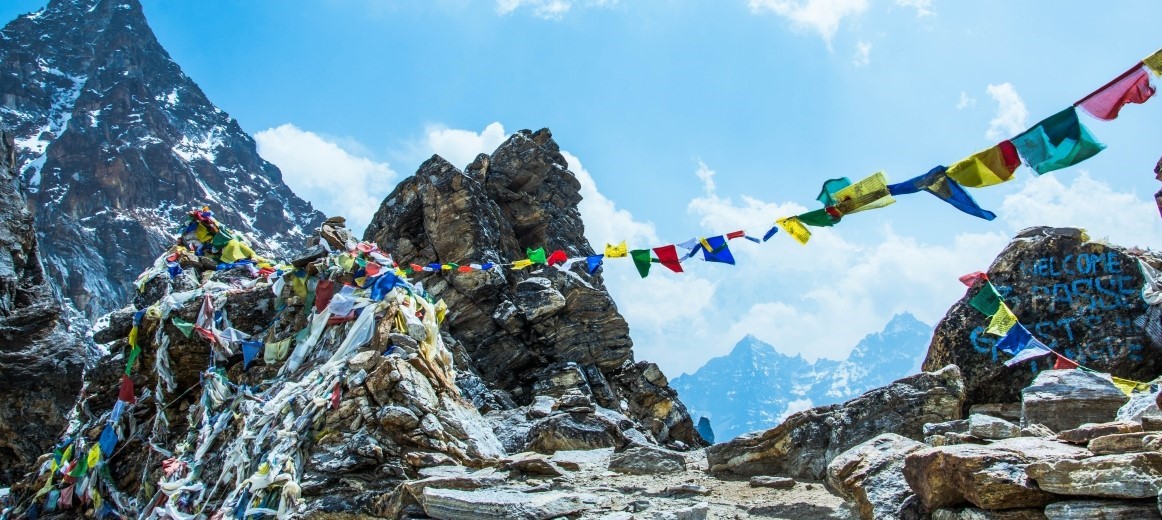
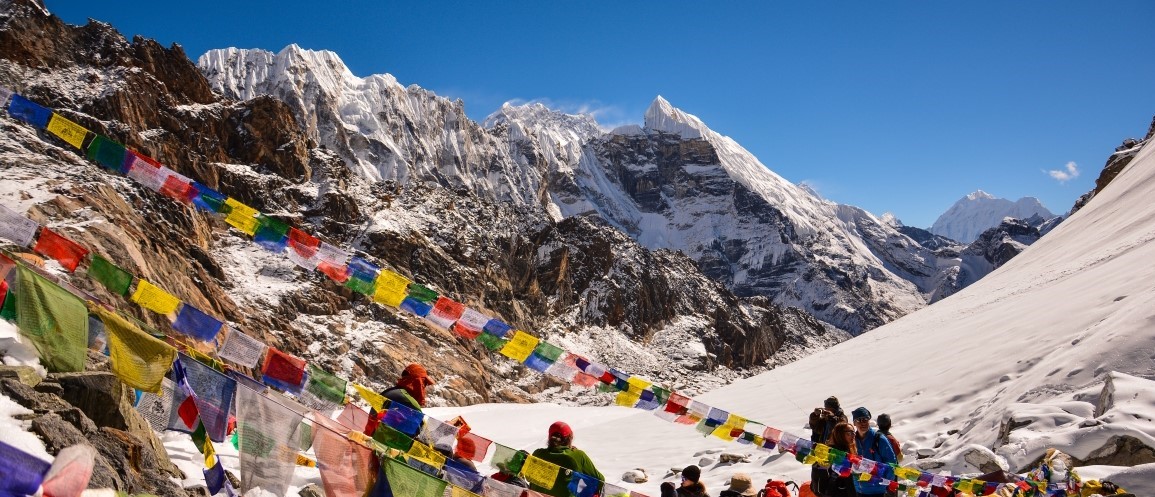
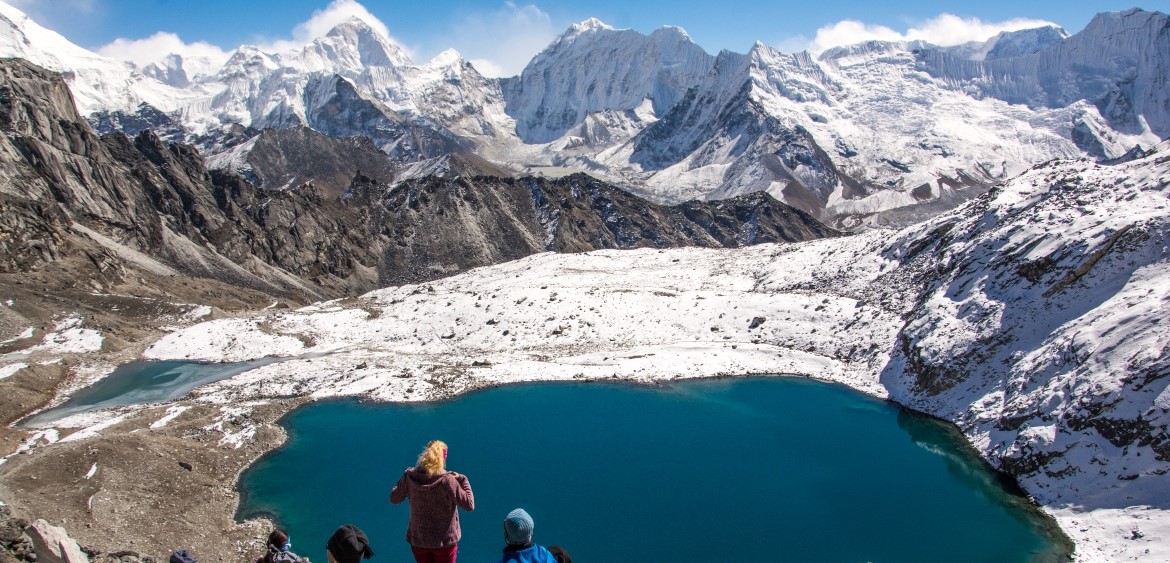
Three passes are unique from the perspective of their location and the scenery they offer. Trekking through Renjo-La, it is great spot to explore northern side of Everest region. Cho-La pass offers an excellent view of middle section of huge Everest trekking region. Kongma-La is the pass from where trekker can enjoy eastern high Himalaya ranges of Nepal.

Gokyo Lakes, view from Gokyo-ri, close up view of Mount Everest from Kalapatthar are things that words cannot describe unless one visit oneself.

Economic as well, since trekker can enjoy most of the landscape of Everest in single itinerary.

Peak climbing is another thing trekker can add on Everest three high pass trek. Merely, adding 2 -3 days extra in regular trekking itinerary.